First Phase of The Rookwood Semerwater Water Quality Improvement Launches Across Three Catchment Locations
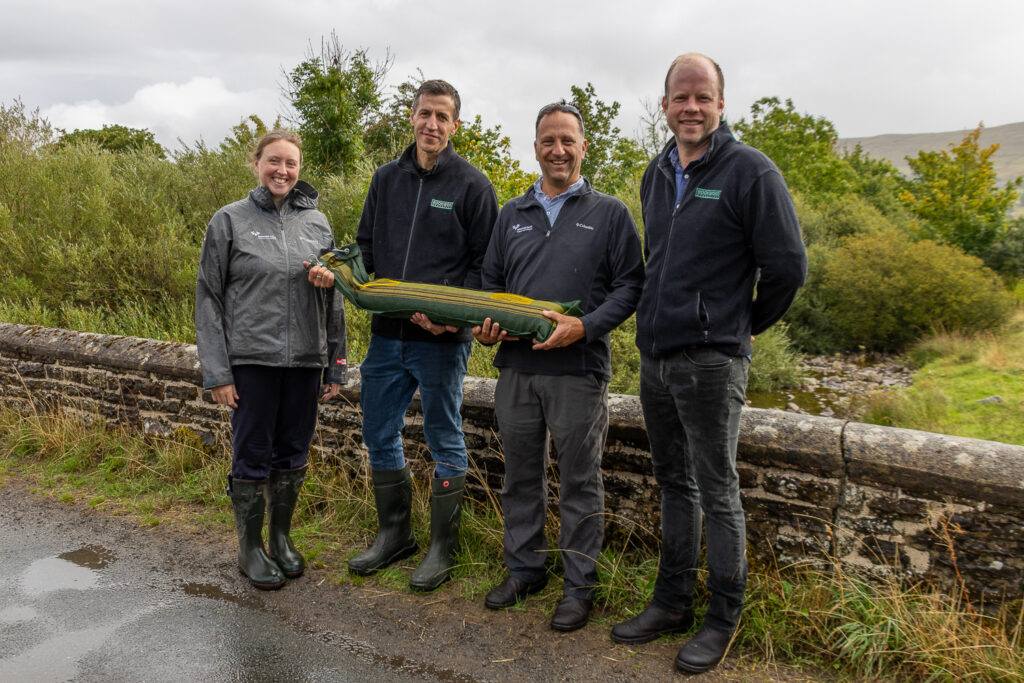
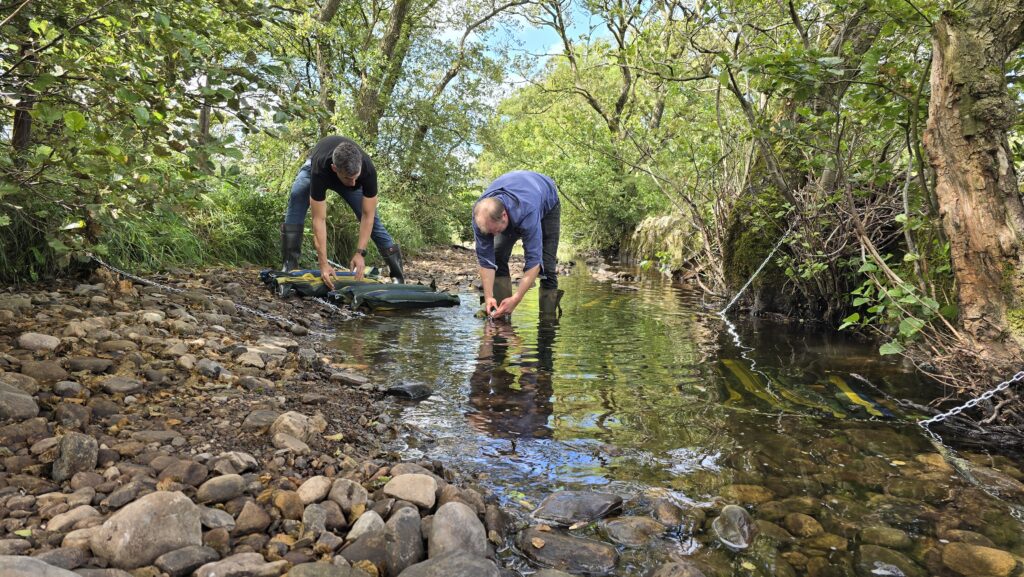
Rookwood and the Yorkshire Dales National Park Authority have launched the first phase of a water quality improvement programme across the Semerwater catchment, with three nutrient recovery systems being installed at strategic locations around Yorkshire’s second largest natural lake.
The project aims to reduce phosphorus entering and exiting Semerwater, reducing nutrient loading across the catchment and establish the foundation for future water quality improvement initiatives.
The installations represent an exciting milestone in a wider programme focused on protecting and enhancing one of Yorkshire’s most valued freshwater environments through practical, catchment-scale action.
Why Semerwater Matters
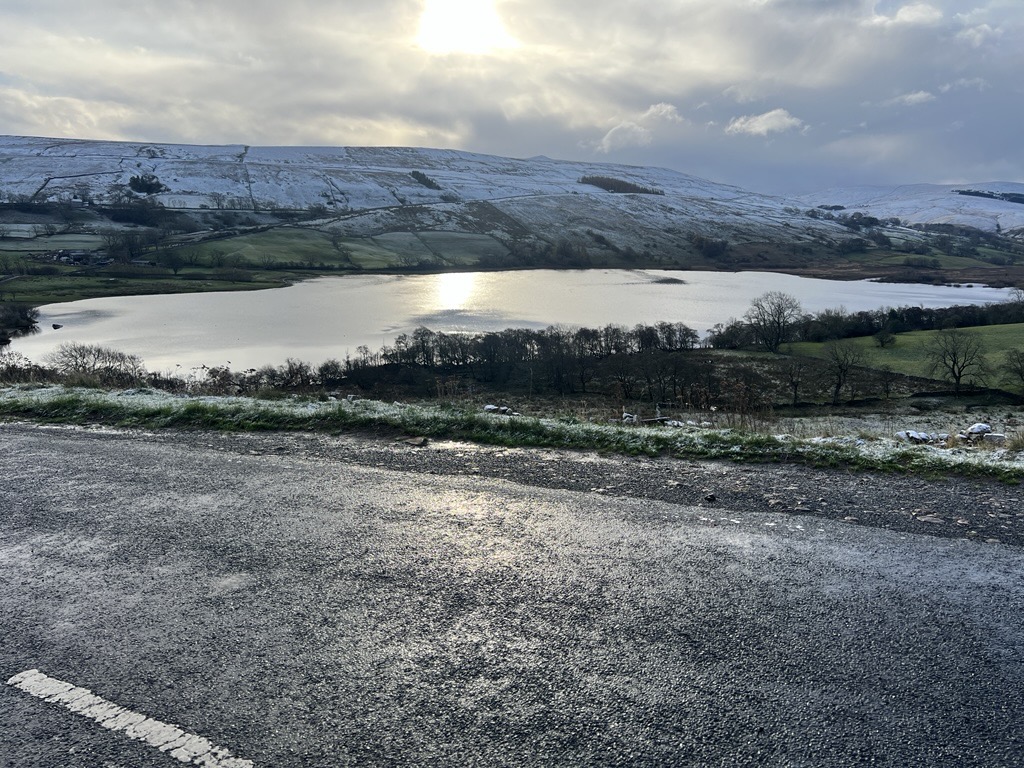
Semerwater is the second largest natural lake in Yorkshire and a defining feature of the Yorkshire Dales landscape. The lake supports important habitats, wildlife and recreational opportunities, making it a valuable environmental asset for local communities and visitors alike.
Like many freshwater environments across the UK, Semerwater faces ongoing pressures from nutrient enrichment, particularly phosphorus entering the lake and watercourses from across the wider catchment. Excess nutrients can affect water quality and place pressure on the ecological balance over time.
Addressing these challenges requires more than a single intervention. It requires a coordinated approach that looks at the catchment as a whole and targets inputs before they reach sensitive water environments.
What Is Being Installed
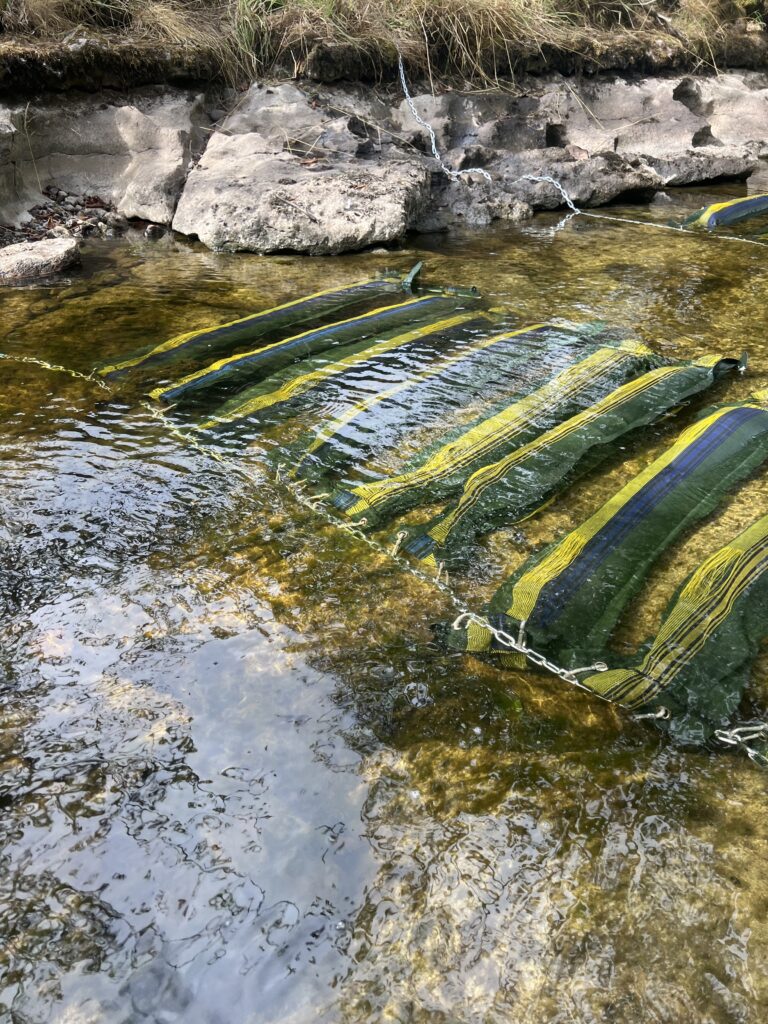
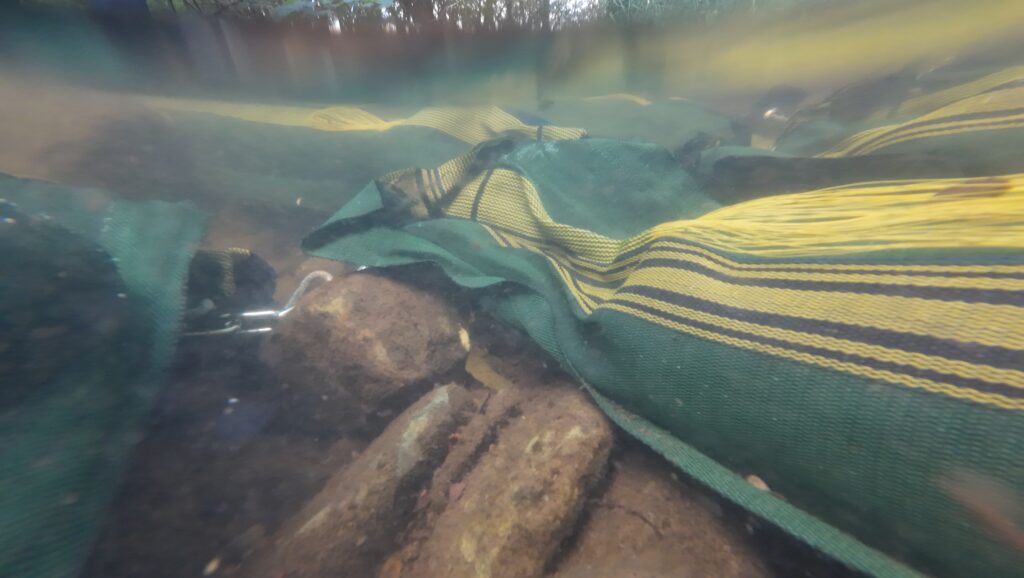
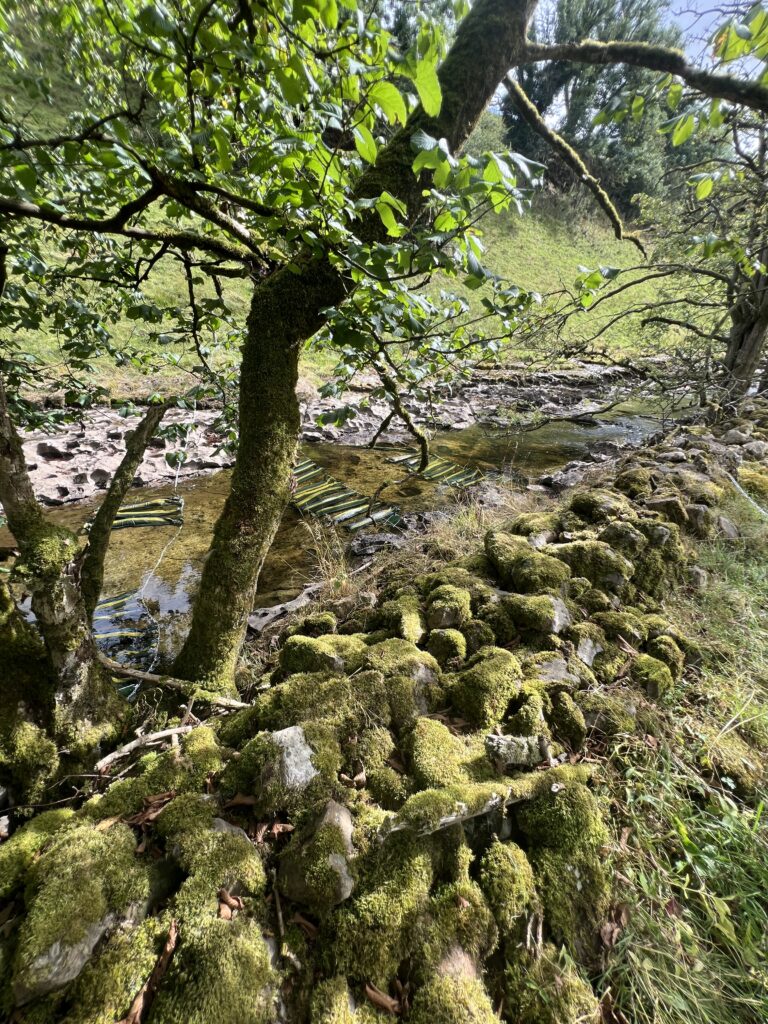
As part of this first phase, Rookwood is deploying three phosphorus recovery systems at carefully selected locations within the catchment.
The systems are designed to capture dissolved phosphorus from water. Rather than simply removing phosphorus as a waste product, the technology recovers it as a valuable resource, helping to support a more circular and sustainable approach to nutrient management.
The project provides an opportunity to demonstrate how innovative recovery technologies can complement traditional catchment management approaches and contribute to measurable environmental improvement.
Catchment Scale Impact
What makes this project particularly significant is its catchment-wide approach.
By deploying systems at three separate locations, the partnership is creating multiple intervention points across the landscape, helping to build a better understanding of nutrient movement and where targeted action can have the greatest impact.
The installations will be supported by ongoing monitoring and data collection, creating an evidence base that can inform future decisions and identify opportunities for further interventions.
This first phase is intended to act as a starting point for a longer-term programme of work, supporting the Yorkshire Dales National Park Authority’s ambitions for improved water quality and increased environmental resilience across the Semerwater catchment.
Mark Corner, Member Champion for the natural environment at the Yorkshire Dales National Park Authority said: “Semerwater is one of the Dales’ most distinctive and valued natural features, supporting wildlife, local communities and visitors alike. This project demonstrates the importance of bringing together innovation, partnership and practical action to tackle complex environmental challenges, and we look forward to seeing how the evidence gathered helps inform future action”
Jane Pearce, CEO of Rookwood : “We’re incredibly proud to see Rookwood’s phosphorus recovery technology deployed within the Semerwater catchment. Working with the Yorkshire Dales National Park Authority, we are demonstrating how targeted phosphorus recovery can contribute to healthier watercourses and long-term catchment resilience. We believe this has the potential to inform future approaches to nutrient management not only in the Yorkshire Dales, but across protected landscapes and catchments throughout the UK.”
Next Steps
Following installation, the project will enter a monitoring phase to assess performance and better understand nutrient flows across the catchment.
The information gathered will help quantify environmental benefits, identify future opportunities for intervention and support the development of the wider water quality improvement programme.
By combining innovation, partnership and long-term monitoring, the project aims to create a model for delivering meaningful environmental improvements at catchment scale while helping safeguard the future of Semerwater.