Turning Runoff Into Resource
How a Somerset Farm Is Recovering Phosphate With Rookwood’s PRM Technology
Across the UK, farmers are facing an increasingly familiar challenge: how to manage nutrient-rich runoff in a way that protects waterways, reduces waste, and strengthens on‑farm sustainability. In Somerset, one dairy farm is showing what’s possible when new technology is paired with everyday farm infrastructure.
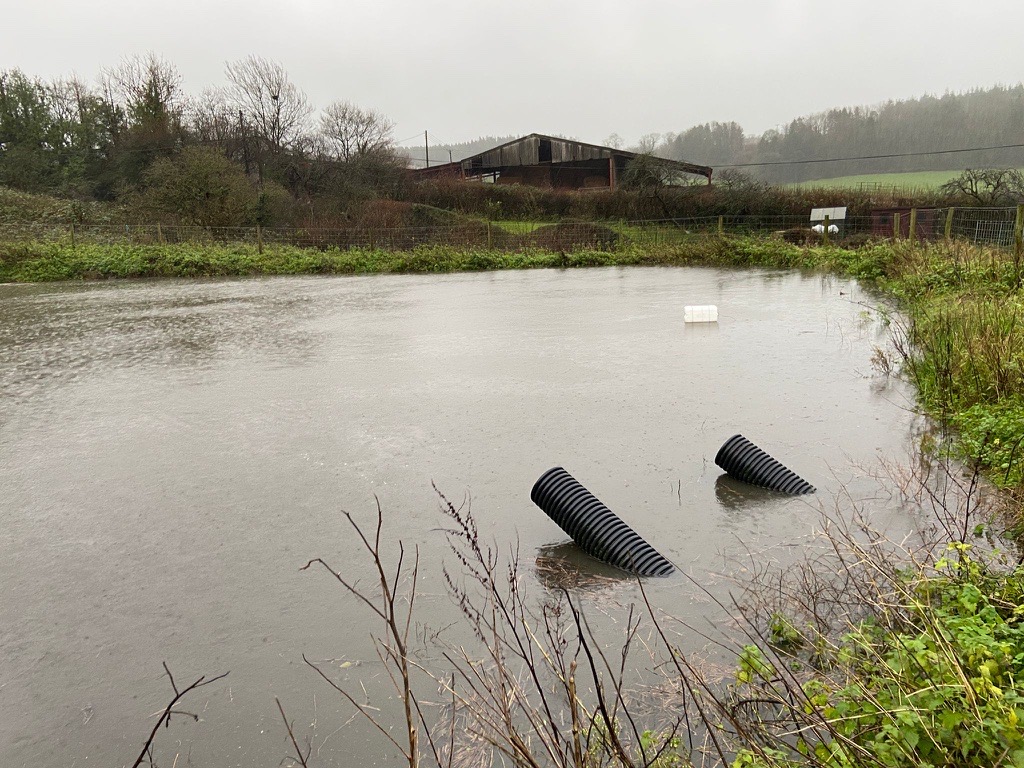
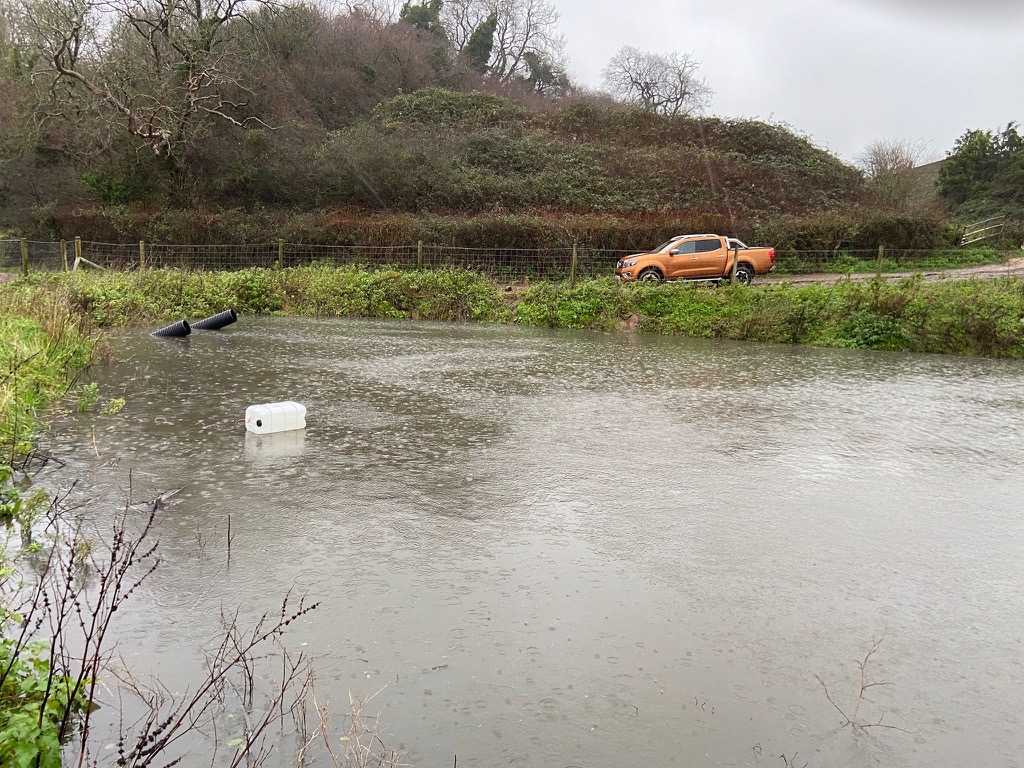
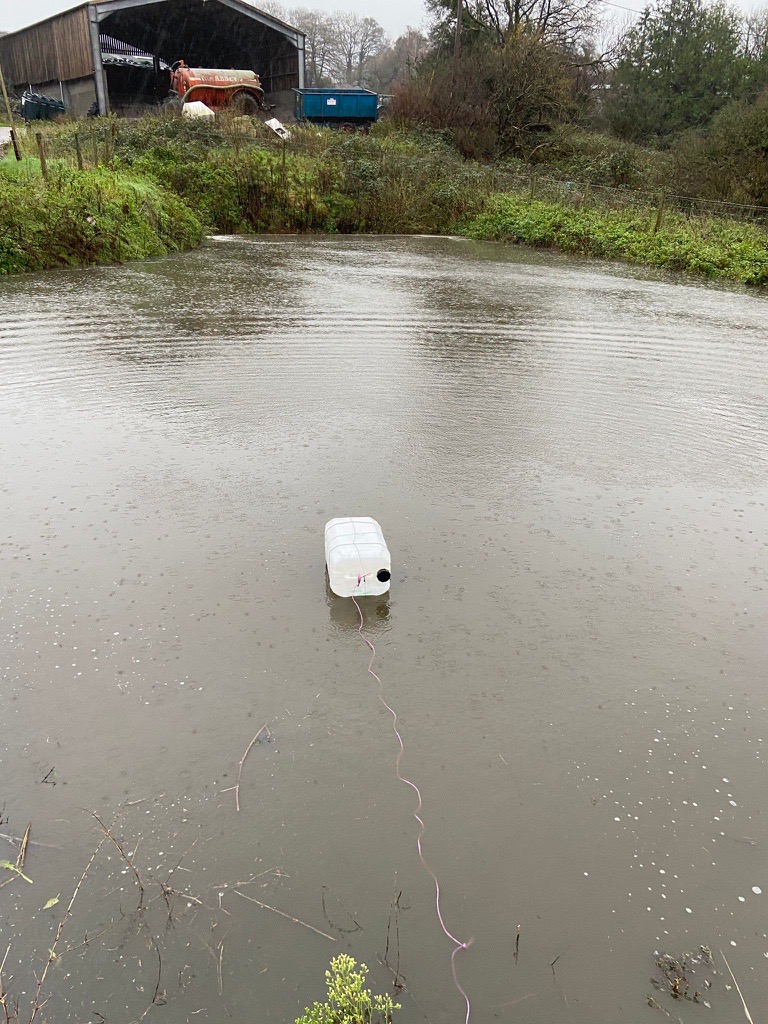
This farm installed Rookwood’s Phosphate Recovery Material (PRM) as part of its existing on‑farm water management system—transforming a once-overlooked by-product into a valuable, circular nutrient resource.
The Challenge: Managing Excess Phosphate From Yard and Farm Ditch Runoff
Like many farms, the Somerset site collects a mixture of:
- Surface runoff from the farmyard
- Farm ditch water diverted into the pond system
These flows accumulate in the farm pond, carrying elevated phosphate levels typical of livestock operations. Traditionally, this nutrient load represents a risk: contributing to pollution, limiting discharge options, and increasing regulatory pressure.
The farm already had a robust water-handling setup—but needed a way to actively remove phosphate from the collected water before onward use or release.
That’s where Rookwood’s PRM comes in.
The Solution: Installing PRM Into the Existing On-Farm Pond System
The installation centres on a simple, robust idea:
Capture the excess nutrients where they are already being collected—and extract phosphate before it becomes a problem downstream.
The PRM now operates directly within the pond system, continuously treating incoming flow from:
- The farmyard’s surface runoff network
- A diverted farm ditch draining the surrounding area.
By placing the PRM at the pond interface, the farm ensures that phosphate is removed at the point of collection rather than dispersing further into the ditch network.
This turns a scattered nutrient challenge into a controlled, treatable flow.
How It Works: Rookwood’s Technology in Action
The PRM uses Rookwood’s nature-inspired recovery media to selectively bind phosphate from moving water. As water flows across the media:
- Dissolved phosphate is captured, reducing concentrations in the pond.
- Treated water exits cleaner, with levels suitable for reuse or safe environmental return.
- The media becomes enriched with plant-available phosphorus, ready for return to agricultural soils.
The result is a system that is:
- Low-energy
- Low-maintenance
- Built for real-world farm conditions
- Fully circular, transferring recovered nutrients back into productive use on fields
For the farm, it’s a practical win: cleaner water, lower risk, and a new source of recycled P that offsets fertiliser inputs.
What’s Next
Over the coming months, the farm will track improvements in pond water quality and start applying recovered phosphorus back to the land. The installation will also feed valuable real-world performance data into wider deployments across the region.
For Rookwood, it’s another milestone in demonstrating that solving nutrient pollution doesn’t require more complexity—just smarter use of the systems farms already rely on every day.
A Model for Farm-Scale Nutrient Circularity
This Somerset installation demonstrates a new model for UK agriculture—one that turns everyday runoff into a renewable resource.
Key benefits include:
- Environmental protection
Lower phosphate load entering ditches and local waterways.
- Regulatory resilience
Helps farms stay ahead of tightening nutrient rules and water quality standards.
- Soil fertility boost
Recovered phosphorus becomes a slow-release, locally sourced input for grazing or cropping areas.
- Simple integration
Works with existing ponds, drains, and storage facilities—no complex civil works required.
The result is not just better nutrient control—it’s a step towards the circular farm of the future.
Rookwood Operations Ltd
Registered: 13902978
VAT Reg: 457728060
Rookwood
East Higher farm
East Horrington
Wells
Somerset
BA53DR
Copyright 2026
Rookwood Operations Ltd