Rethinking Nutrient Neutrality Mitigation

How Rookwood’s Approach Differs From Existing Phosphate Mitigation Methods

Rookwood Nutrient Neutrality: A New Approach to Phosphorus Mitigation

Nutrient neutrality has become a major challenge for housing and infrastructure projects across the UK. In many catchments, developers must demonstrate phosphorus and nitrogen mitigation before planning permission can be granted.

A range of approved mitigation strategies already exists, including:

  • Land use change
  • Agricultural fallowing
  • Constructed wetlands
  • Catchment offsetting schemes
  • Wastewater treatment upgrades

These approaches have helped unlock development, but they often require significant land, long-term management, or complex infrastructure investments.

At Rookwood, we believe nutrient neutrality can be achieved through a more direct and scalable approach: recovering phosphorus before it reaches the environment.

The Challenge with Traditional Mitigation

Many existing nutrient mitigation schemes focus on reducing nutrient inputs or offsetting impacts elsewhere within a catchment.

While effective, they can involve:

  • Large areas of land
  • Long-term management agreements
  • Ongoing maintenance costs
  • Performance variability
  • Complex legal and operational obligations

As demand for nutrient mitigation grows, scalability and simplicity become increasingly important.

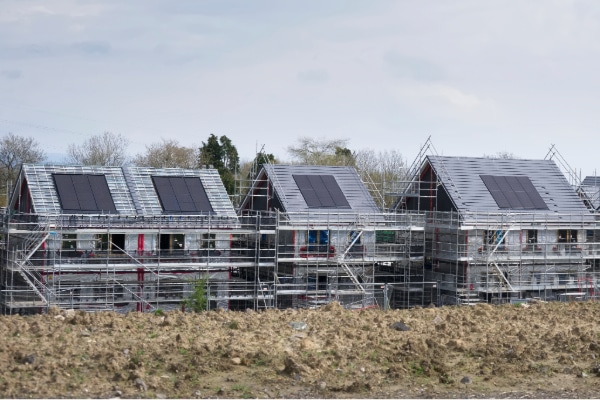
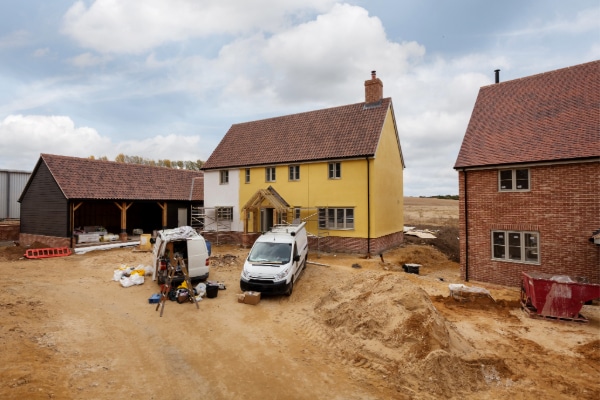
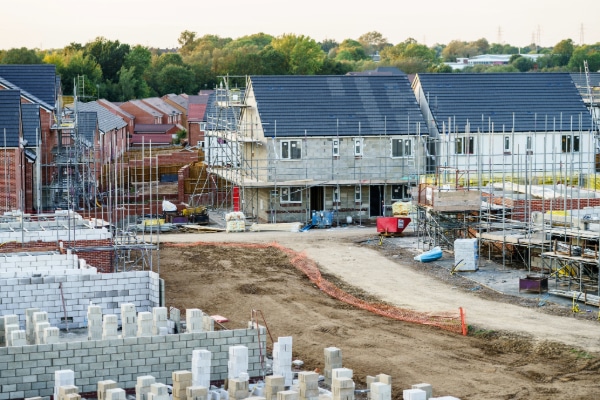
New housing development construction site showcasing homes built with sustainable practices. nuRe® nutrient neutrality solutions
New housing development construction site showcasing homes that could be built with sustainable practices and nuRe® nutrient neutrality solutions.
New housing development construction site showcasing homes built with sustainable practices and nuRe® nutrient neutrality solutions.

Rookwood’s Approach

Rookwood’s nutrient recovery systems are designed to directly remove phosphorus from wastewater before it enters sensitive rivers and catchments.

Using our PRM® phosphorus recovery technology and nuRe® resource recovery platform, phosphorus is captured and recovered rather than simply managed or transferred elsewhere.

This creates two outcomes:

  1. Reduced phosphorus loading in the environment
  2. Recovery of a valuable nutrient for future use

Rather than treating phosphorus as waste, we treat it as a resource.

Small Footprint, Scalable Infrastructure

Unlike many land-based mitigation solutions, Rookwood’s systems are designed for:

  • Compact deployment
  • Modular installation
  • Integration with existing infrastructure
  • Flexible scaling to meet project requirements

This reduces reliance on large-scale habitat creation or permanent land-use change while allowing deployment in areas where land availability is limited.

From Mitigation to Resource Recovery

A key difference in Rookwood’s approach is that recovered phosphorus can re-enter productive use through Lifted P®, our recovered phosphorus product.

This supports:

  • Circular economy principles
  • Domestic phosphorus recovery
  • Reduced reliance on imported fertilisers
  • Long-term resource resilience

Instead of simply offsetting nutrients, the phosphorus is physically removed from the catchment and returned to the agricultural cycle.

Beyond Compliance

We believe future nutrient neutrality solutions should deliver more than planning compliance.

Recovery-led infrastructure can contribute to:

  • Improved river health
  • Phosphorus pollution reduction
  • Circular nutrient management
  • Agricultural resilience
  • Resource security
  • Sustainable development

By combining nutrient removal with nutrient recovery, Rookwood’s approach helps address environmental and resource challenges at the same time.

The Future of Nutrient Neutrality

As housing demand, environmental regulation, and catchment pressures continue to increase, nutrient mitigation solutions will need to become more efficient, scalable, and sustainable.

Rookwood is developing modular phosphorus recovery systems that support nutrient neutrality while creating long-term value from recovered resources.

Rather than simply offsetting nutrients, we believe the future lies in recovering them, reusing them, and building circular infrastructure that benefits both development and the environment.